
Luna’s Rose School
Finding the right rose goes far beyond choosing a beautiful color. Every variety has its own personality, from its flower shape and fragrance to its mature size, growth habit, disease resistance, preferred growing conditions, and place in the garden.
Luna’s Rose School page is designed to help you make sense of the information found throughout our rose catalog and product descriptions. Here, you can learn what our rose types, colors, fragrance ratings, garden-condition filters, mature sizes, hardiness zones, breeder information, registration names, collections, and other details mean.
The filters available in our shop can help narrow your search based on the qualities that matter most to you, while the Additional Information section found on individual rose pages provides a closer look at what makes each variety unique.
Whenever possible, we base this information on details provided by the rose’s breeder, grower, or supplier. Some information may not be available for every variety, and actual garden performance can vary depending on climate, soil, sunlight, irrigation, pruning, weather, and ongoing care.
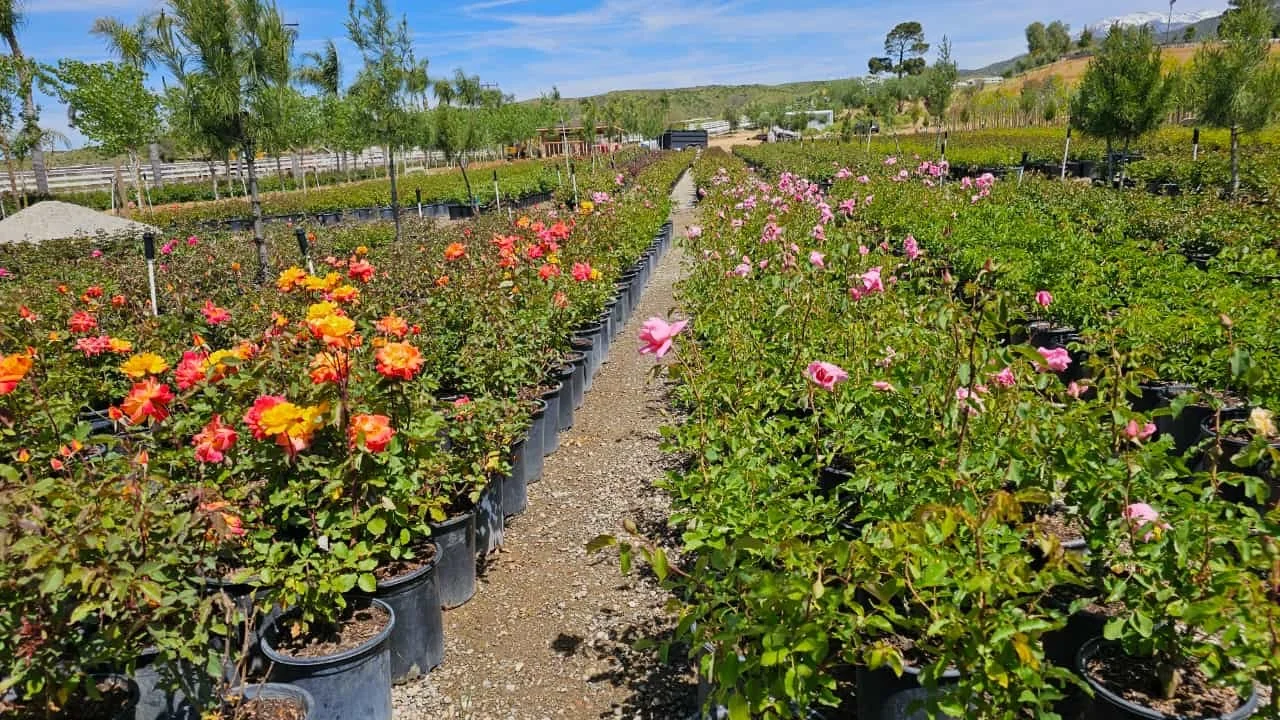
Rose Types
Rose Type describes the plant’s
general growth habit and the way
it typically produces flowers.
The photograph shown features Firefighter®, a prime example of the Hybrid Tea class.
Hybrid Tea roses are known for their large, shapely flowers, which are commonly produced on one bloom per long stem. They are popular for cutting and displaying indoors.
These roses usually grow upright and may benefit from regular pruning, feeding, and deadheading.
Often chosen for: Large flowers, formal gardens, bouquets, and cutting.
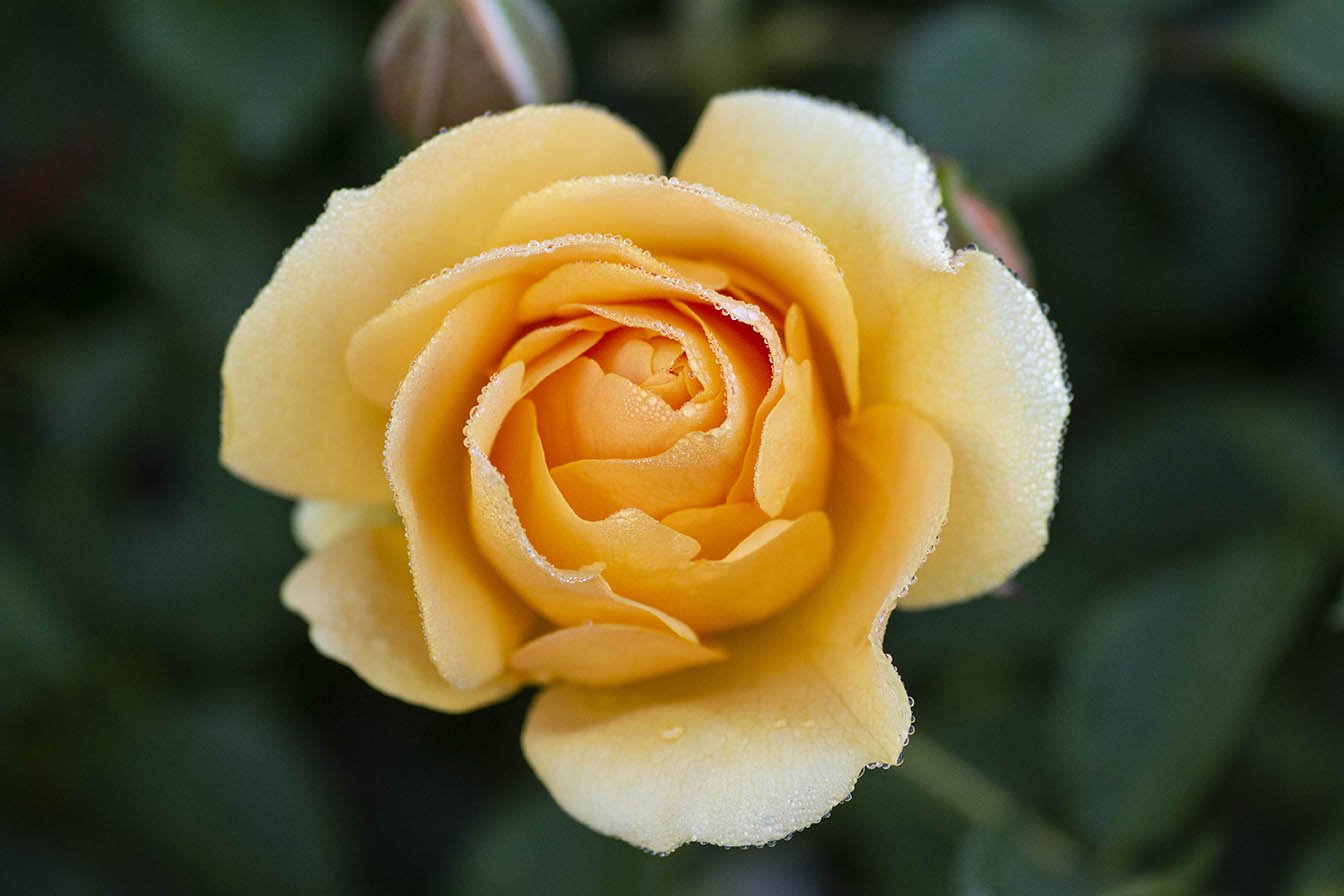
The photograph shown features Julia Child®, a prime example of the Floribunda class.
Floribunda roses generally produce clusters of flowers rather than one large bloom per stem. They often bloom repeatedly and provide a fuller display of color throughout the season.
Their growth is usually bushy and compact, although mature size varies by variety.
Often chosen for: Mass color, borders, smaller gardens, and frequent blooms.
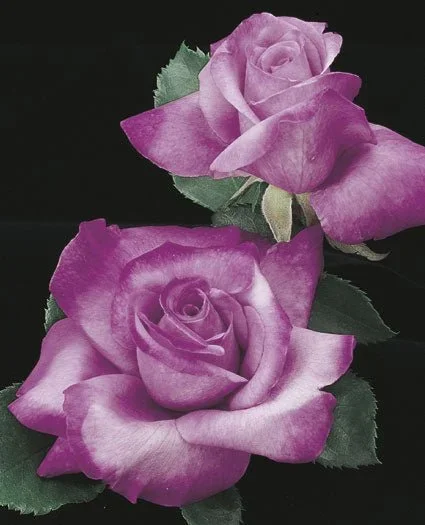
The photograph shown features Fragrant Plum, a prime example of the Grandiflora class.
Grandiflora roses combine characteristics commonly associated with Hybrid Tea and Floribunda roses. They may produce large flowers individually or in small clusters on tall, upright plants.
Often chosen for: Large blooms, garden height, cutting, and landscape impact.
The photograph shown features Olivia Rose Austin®, a prime example of the English Rose class.
English Roses are especially known for their full, romantic blooms, traditional flower forms, and fragrances. Many combine the appearance and scent of historic garden roses with the repeat blooming of modern varieties.
The term is commonly associated with roses bred by David Austin, although individual growth habits and mature sizes vary.
Often chosen for: Fragrance, cottage gardens, full blooms, and classic garden style.
The photograph shown features Eden Climber®, a prime example of the Climbing Rose class.
Climbing roses develop long canes that can be trained along trellises, fences, arches, walls, and other supports.
They do not attach themselves to structures like vines, so their canes generally need to be tied and trained. Mature size, flexibility, and repeat blooming vary by variety.
Often chosen for: Trellises, fences, arches, walls, and vertical garden displays.
The photograph shown features Bridal Sunblaze™, a prime example of the Miniature Rose class.
Miniature roses are smaller-growing roses with proportionately smaller leaves and flowers. Despite their size, many produce abundant blooms throughout the season.
Some miniature varieties work well in pots, borders, patios, and small garden spaces.
Often chosen for: Containers, patios, borders, balconies, and compact spaces.
The photograph shown features Belinda’s Dream, a prime example of the Shrub Rose class.
Shrub roses are a broad group of roses generally valued for their natural shape, vigorous growth, repeat flowering, and landscape performance.
Their flowers may be single, semi-double, or very full, depending on the variety. Some remain compact, while others become large, spreading plants.
Often chosen for: Informal gardens, hedges, borders, low-maintenance landscapes, and mass planting.
The photograph shown features Apricot Drift®, a prime example of the Groundcover Rose class.
Groundcover roses grow low and wide, creating a spreading carpet of foliage and flowers. They are commonly used along slopes, walkways, borders, and open landscape areas.
They are not always flat to the ground, so customers should still check the listed mature height and width.
Often chosen for: Slopes, borders, erosion-prone areas, mass planting, and low landscape coverage.
Tree Rose
The photograph shown features Rio Samba grown in tree-rose form, demonstrating how a familiar bush-rose variety can be presented as a Tree Rose.
A Tree Rose, sometimes called a Standard Rose, is created by grafting a rose variety onto a tall, upright trunk. This creates a rounded flowering canopy above the ground.
Tree Roses add height and structure but may need staking and protection from strong wind or severe weather.
Often chosen for: Entryways, patios, formal gardens, containers, and garden focal points.
Colors
Color filters describe the primary colors visible in a rose’s flowers.
Rose color can vary depending on temperature, sunlight, flower age, growing conditions,
and the stage of bloom. A flower may open one color and gradually fade or deepen as it matures.
-
Includes roses with shades ranging from bright scarlet and cherry red to deep crimson, burgundy, and near-black red.
-
Includes blush, shell pink, medium pink, rose pink, hot pink, and deep magenta-pink tones.
-
Includes pale lemon, creamy yellow, golden yellow, and rich golden shades.
-
Includes tangerine, copper-orange, flame orange, and deeper burnt-orange shades.
-
Includes pure white, ivory, cream, and flowers that appear primarily white despite subtle undertones.
-
Used for roses with deeper violet, plum, wine-purple, or dark purple coloring.
-
Used for roses with lighter lavender, lilac, mauve, or silvery-purple tones.
-
Includes warm pale-orange blends with yellow, cream, peach, or soft pink undertones.
-
Used for softer peach-colored flowers that combine warm pink and light orange tones.
-
Used for roses with a vivid blend of pink and orange, often creating a warm coral or salmon appearance.
-
Used when a bloom displays several distinct colors, a strong contrasting blend, or noticeable color changes across the petals.
More than one individual color tag may also be applied when appropriate.
-
Used when the petals have clearly visible stripes, streaks, splashes, or irregular markings.
The Striped tag will be used along with the applicable color tags. For example, a red-and-white striped rose may receive the tags Red, White, and Striped.
How We Assign Color Tags
A rose may receive more than one color tag when its flowers contain multiple clearly visible shades.
The Multi-Color tag is used when the bloom contains several distinct colors or a prominent blended effect. The Striped tag is added when the petals display obvious striping or streaking.
Because rose colors can change with weather and flower age, photographs and descriptions should be viewed as general representations rather than exact color guarantees.
Fragrance
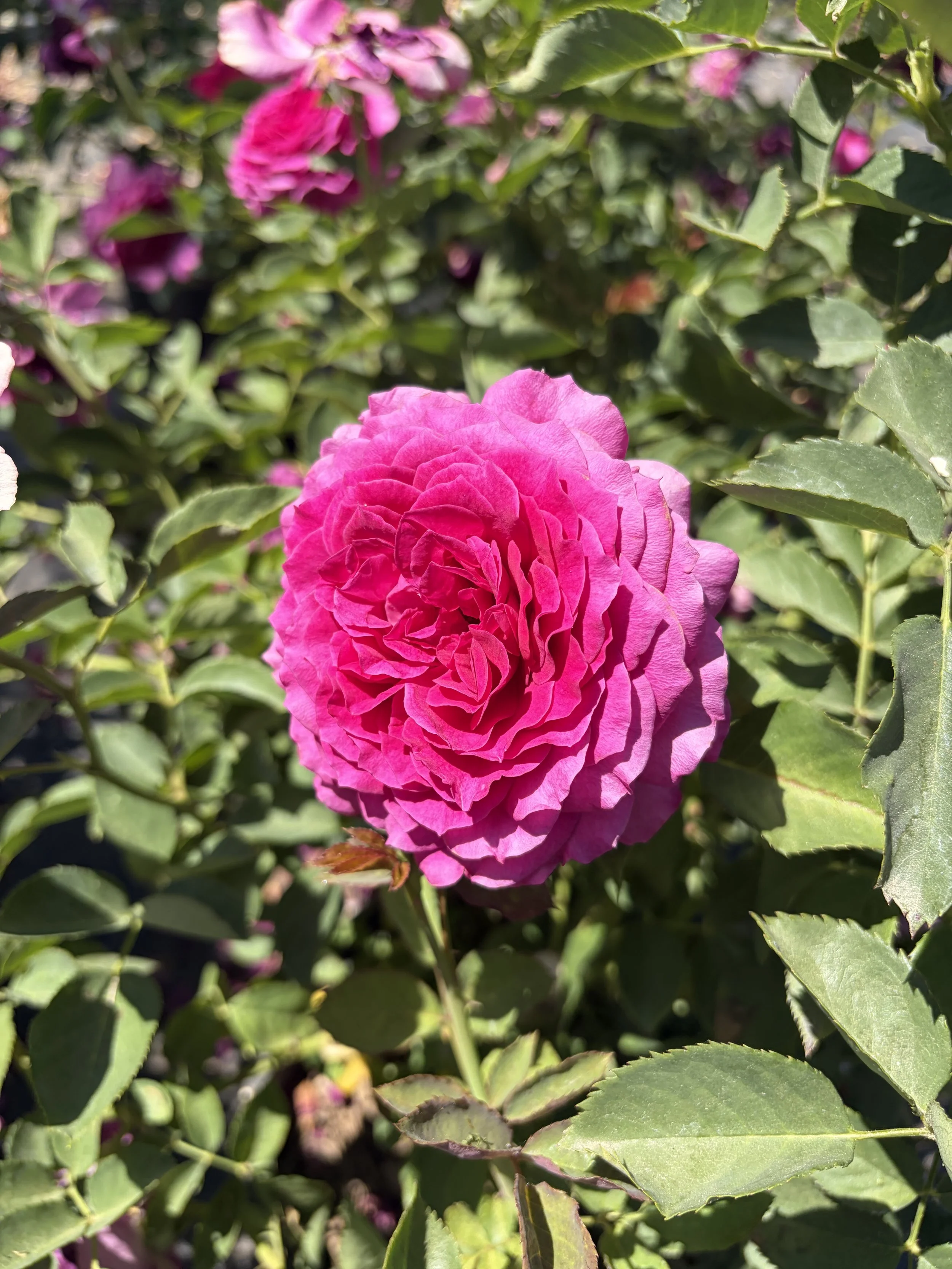
Fragrance tags describe the general strength of a rose’s scent. Fragrance can be subjective and may change depending on temperature, humidity, time of day, flower age, and individual sensitivity. A rose may smell stronger in the morning or during mild, humid weather than during extreme heat.
Each rose receives one fragrance rating based on the closest description provided by its breeder or grower.
Highly Fragrant
Fragrant
Lightly Fragrant
No Fragrance
Fragrance can vary depending on weather, temperature, time of day, bloom maturity, and individual sensitivity.
Highly Fragrant
Used for roses described as very fragrant, strongly fragrant, intensely fragrant, or exceptionally scented.
These varieties are often selected when fragrance is one of the customer’s highest priorities.
Fragrant
Used for roses with a noticeable or moderate scent that is readily detected under suitable conditions.
Lightly Fragrant
Used for roses described as having a light, mild, slight, or subtle fragrance.
No Fragrance
Used when the source describes the rose as having no fragrance or when fragrance is considered absent.
While some roses are subtle in scent, their beauty often speaks louder than their fragrance.
Garden Conditions/
Environmental Tolerance
Garden Condition tags identify varieties that have been specifically described as performing well
under certain environmental conditions.
These tags are based on supplier or breeder information and do not guarantee that a rose will thrive in every garden. Soil, irrigation, exposure, local weather, and plant establishment remain important.
Heat Tolerant
Used when the rose is specifically described as tolerating heat or performing well in warm climates.
Heat-tolerant roses still require sufficient water, especially when newly planted, container-grown, or exposed to prolonged extreme temperatures.
Disease Resistant
Used when a variety is described as having strong, very strong, excellent, superior, or similarly above-average disease resistance.
Disease resistant does not mean disease proof. Roses can still develop problems when affected by poor air circulation, excessive moisture, environmental stress, or unfavorable garden conditions.
Drought Tolerant
Used only when the breeder, grower, or another reliable source specifically describes the rose as drought tolerant.
Low or moderate water-use information does not automatically mean a rose is drought tolerant. Even drought-tolerant roses require regular watering while establishing their roots and may need additional water during prolonged heat.
Coastal Tolerant
Used when a variety is specifically described as suitable for coastal conditions, which may include mild temperatures, humidity, wind, or salt exposure.
Actual performance can vary depending on how close the garden is to the coast and the severity of salt spray or wind.
Shade Tolerant
Used when a rose is described as tolerating partial shade or producing acceptable growth and flowers with less direct sunlight than most roses.
Shade tolerant does not mean full-shade tolerant. Most roses still need several hours of sunlight for healthy growth and flowering.
Mature Height
Mature Height filters help customers choose a rose that fits their available garden space.
The listed height represents an approximate mature size under suitable growing conditions. Climate, pruning, soil, water, rootstock, and the length of the growing season can all affect the final size.
-
Used for compact varieties expected to remain below approximately three feet tall.
These roses may be suitable for smaller gardens, borders, patios, and containers.
-
Used for varieties expected to mature primarily between three and four feet tall.
This size is common among many compact Hybrid Tea, Floribunda, and shrub roses.
-
Used for medium-to-tall varieties expected to mature primarily between four and five feet tall.
Customers should allow enough room for air circulation and future growth.
-
Used for roses expected to reach approximately five feet or more.
This category may include tall bush roses, large shrubs, vigorous Grandifloras, and some roses that can grow significantly taller in warm climates.
How We Select a Height Tag
When a stated height range overlaps two categories, we use the category containing most of the expected range.
For example:
A rose listed at 2–3 feet would generally be tagged Under 3 ft.
A rose listed at 3–5 feet would generally be tagged 3–4 ft. or 4–5 ft., depending on the most reliable expected size.
A rose listed at 5–6 feet would be tagged 5 ft. and Taller.
Climbing roses may exceed the standard height categories considerably. Their complete product descriptions should be checked for expected cane length and recommended support.
Hardiness Zones
Lists the USDA Plant Hardiness Zones in which a rose is generally expected to survive winter temperatures.
The USDA Hardiness Zone system divides locations according to their average annual extreme minimum winter temperature. Each numbered zone represents a 10°F temperature range and is divided into an “a” and “b” subzone representing 5°F differences.
For example:
Zone 8: approximately 10°F to 20°F
Zone 9: approximately 20°F to 30°F
Zone 10: approximately 30°F to 40°F
A rose listed for Zones 5–9, for example, is generally considered winter-hardy in locations whose average extreme winter lows fall within that range.
Here in Cherry Valley
Luna Rose Garden is located in Cherry Valley, California, which is generally considered Zone 9b. This means our average coldest winter temperatures are around 25°F to 30°F.
Nearby areas may have slightly different zones because of elevation and local weather, so we recommend checking the USDA Hardiness Zone for your own garden.
Keep in mind: Hardiness Zones measure winter cold, not summer heat. A rose that is hardy in Cherry Valley may still need additional care during our hot summers. Look for our Heat Tolerant tag if summer performance is important to you.
More on
Rose Product Information
As you may notice in our rose descriptions, there’s often much more to learn about a variety than the usual details like fragrance, mature height, and rose type. This section offers a quick introduction to some of the additional information you may see throughout our product pages, perfect for curious gardeners and rose enthusiasts who want to learn a little more about what makes each variety unique.
Please keep in mind that not every rose will have information available for every field. We rely on information provided by our growers, breeders, and vendors whenever possible. You can learn more about the companies we work with on our Vendors page.
If a particular detail is not listed, we encourage additional research through the rose’s breeder or official supplier, or feel free to reach out to us, and we’ll do our best to help.
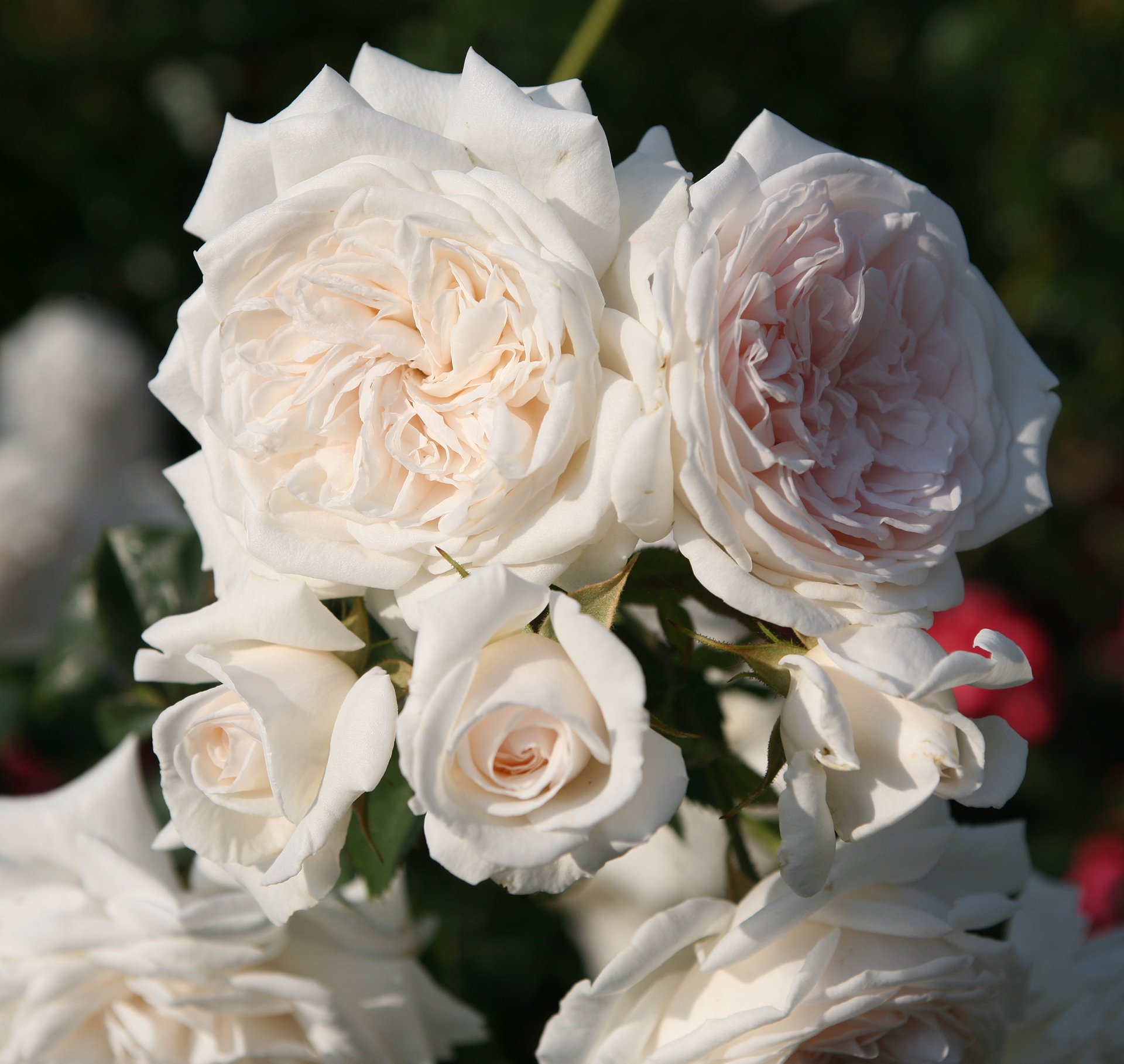
Here, we have Arborose® Honeymoon™ as our sample rose for these extra rose fields.
Bloom Size
Provides the approximate diameter of a fully opened flower, usually measured in inches.
Bloom size may vary depending on weather, plant maturity, pruning, feeding, and growing conditions.
Petal Count
Provides an approximate number or range of petals in a typical flower.
Petal count may vary between blooms and can be lower during extreme heat or plant stress.
Special Features
Highlights notable characteristics that may not fit into another field.
Examples include:
Unusual coloring
Large flowers
Long stems
Decorative hips
Nearly thornless growth
Strong repeat blooming
Pollinator appeal
Compact size
Heat tolerance
Award-winning performance
Awards
Lists notable and verifiable awards received by the variety.
Only confirmed awards are included. Examples may come from recognized rose trials, horticultural organizations, or industry programs.
Bloom Habit
Explains how and when the rose generally flowers.
Common descriptions include:
Repeat blooming
Continuous blooming
Blooms in flushes
Once blooming
Solitary blooms
Cluster flowering
Large spring display with lighter repeat flowering
Bloom frequency can vary by climate and care.
Foliage
Describes the rose’s leaves, including color, texture, glossiness, size, and density.
Examples may include dark green, medium green, glossy, semi-glossy, matte, dense, or leathery foliage.
Registration Name
Lists the official cultivar or breeder registration name.
Registration names often appear as coded names using capital letters, such as MEIbrinpay, and may differ from the familiar marketing name displayed to customers.
For example, a rose may be sold under a memorable commercial name while also having a separate official registration or cultivar name.
Best Uses
Suggests ways the rose may be used in a garden or landscape.
Examples include:
Cutting
Containers
Borders
Hedges
Mass planting
Trellises
Fences
Arches
Groundcover
Pollinator gardens
Garden focal points
These recommendations are intended as ideas rather than limitations. A rose may work beautifully in several different settings depending on the garden.
Breeder
Identifies the person, family, or company responsible for developing the rose variety.
*Note: The breeder may be different from the company currently supplying, introducing, marketing, or distributing the rose.
Pot Size
Refers to the nursery container the rose is currently growing in, not its mature garden size. Most of our standard roses are grown in 5-gallon containers, which provide enough room for a well-developed root system while remaining manageable for customers to transport and plant.
Larger climbers may be offered in 15-gallon containers because their more established root systems support the additional top growth and height these roses can develop. Smaller shrub roses may be available in 2-gallon containers, since their compact growth habit generally requires less container space while they are being established.
Water Needs
Provides a general description of expected water use, such as low, moderate, or regular.
Water needs are influenced by climate, soil, drainage, plant size, season, and whether the rose is planted in the ground or a container.
A listed water-use level should be treated as a general guide rather than a fixed watering schedule.
Introduced
Lists the year the variety was officially introduced or released commercially.
This may differ from the year the rose was originally bred, selected, patented, or registered.
US Patent No.
Lists the United States plant patent number when one is associated with the variety.
A plant patent protects certain rights relating to the asexual reproduction and commercial sale of the patented plant. The presence or expiration of a patent does not describe the plant’s quality, performance, or current availability.
Listings may appear in formats such as:
PP9,609
PP27,400
PP30,000
Patent Pending
When no reliable patent information is available, this field may be omitted.
Collection
Identifies a named series or branded group associated with the rose.
Examples may include breeder collections, fragrance collections, landscape series, or special supplier programs.
A few good examples from Weeks Roses and Star® Roses and Plants are:
Easy-To-Love® — a Weeks Roses collection focused on easy-growing, free-flowering roses with strong disease resistance. Weeks itself refers to Easy-To-Love® as a collection.
Romantica® — a Meilland-bred collection distributed in the U.S. through Star® Roses and Plants, known for very full, old-fashioned bloom forms.
Sunblaze® Roses — a Star® Roses and Plants collection of compact miniature roses designed especially for containers and smaller garden spaces.
Drift® Roses — one of Star® Roses and Plants’ major rose collections, consisting of compact, spreading landscape roses.
The Knock Out® Family of Roses — Star’s well-known family of landscape shrub roses selected for repeat blooming and strong garden performance.
Bloomables® — a broader Star® Roses and Plants branded program that includes roses along with other flowering plants. I would use this only when the particular rose is officially marketed as part of Bloomables®, rather than applying it to every Star rose.
*Note: A collection is different from Rose Type. Roses within the same collection may have different colors, sizes, growth habits, and uses.